The great possibility and burden of Star Wars as a setting is that it can hold, not always comfortably or gracefully, stories that are separated by vast differences in tone and thoughtfulness. Revenge of the Sith brings three films' worth of character development to the moral event horizon of Anakin Skywalker's life with the line: "From my point of view, the Jedi are evil!" That somehow exists in a continuity with Nemik's observation in Andor that, "Tyranny requires constant effort. It breaks, it leaks." Somewhere in the backdrop of both of those stories is a Muppet Babies version of Yoda who has become the franchise's mascot in the wake of the sequel trilogy, confronting the scattered, dangerous remnants of the Empire with coos and gurgles from inside an armored hover-stroller.
The Clone Wars cartoon series spent years embodying and utilizing these tensions. Filling in the enormous blank spaces left by the prequels' sketchy depiction of a civil war, it attempted to create a more convincing and interesting politics than we glimpsed in the films while also providing poor Anakin with a more sympathetic and tragic arc than the adolescent self-absorption and rage that defined him in the prequels.
Yet even there, the show ricocheted between broad comedy, monster-of-the-week adventures, and dark military space opera. One week, The Clone Wars might send Jar Jar Binks and Mace Windu on an odd couple adventure, and then it might spend another three weeks remaking Paths of Glory and Platoon from the point of view of a squad of clone troopers who begin to suspect that their Jedi commander is actively trying to get them killed.
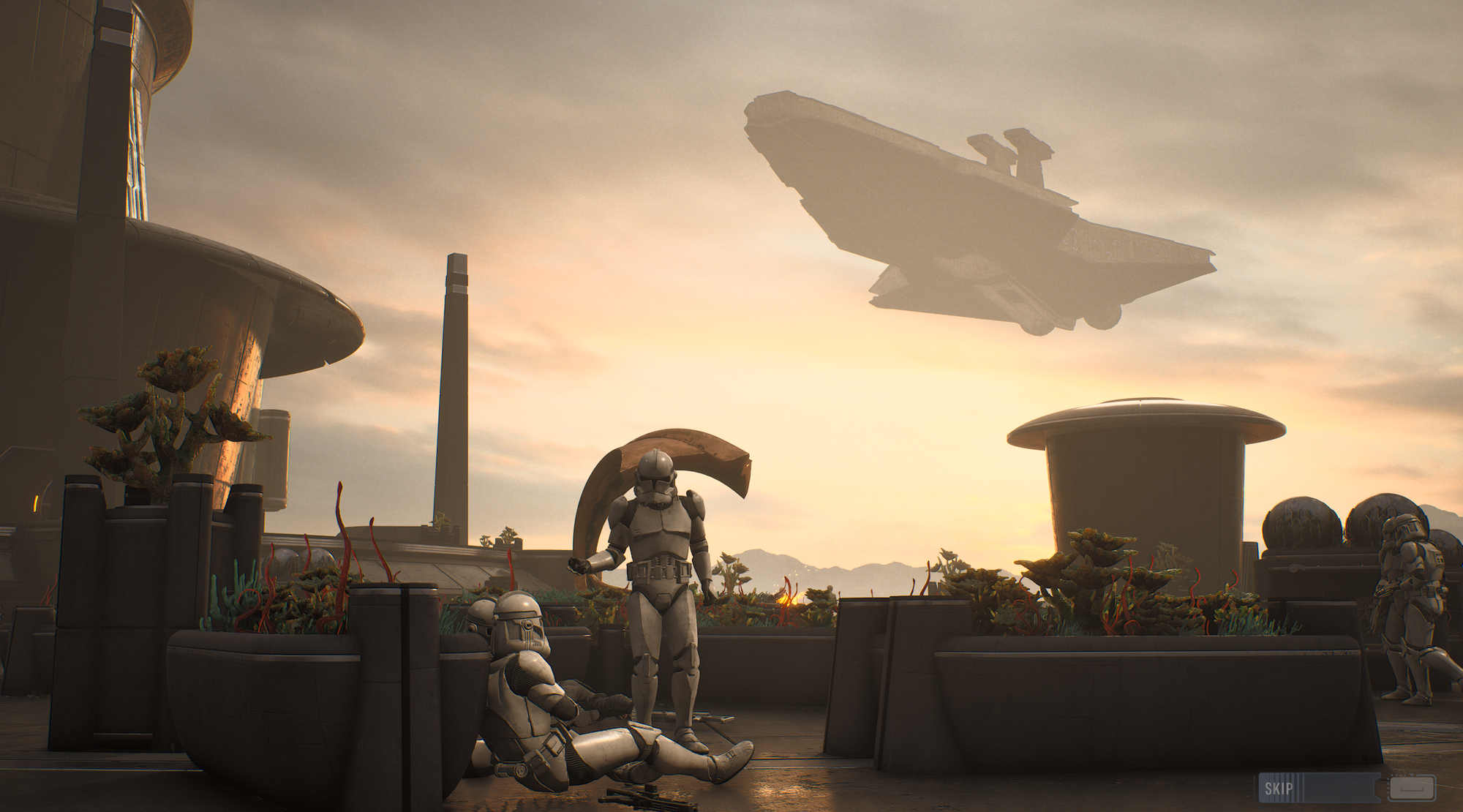
Zero Company doesn't fully embrace or reject any of these versions of Star Wars. While it takes inspiration specifically from that latter trio of Clone Wars episodes, it occupies its own tonal and aesthetic space that fits comfortably alongside the awkward hodgepodge of the Star Wars media that inform it. Its closest analogy in games might be the Arkham series that drew so heavily from Batman: The Animated Series but also retained its own sense of style and tone that could stretch to encompass the Tim Burton and Joel Shumacher films without sacrificing its own sense of identity.
This is no easy thing to accomplish, as any number of Disney-era approaches to Star Wars have demonstrated. Zero Company stands on its own as a story, but is enriched by the things that precede and surround it, which is almost astonishing given that all anyone might have expected was a Star Wars theme and art draped over familiar tactics game conventions.
Signing up is free!
By signing up—again, it costs nothing!—you can read the rest of "How to Tell a True Star Wars Story: Zero Company Review," and receive free newsletters and emailed articles from Remap!
Sign up now Already have an account? Sign in