
A home is not a given.
Living in a place, like game designer Luke Li has in the United States for the past 14 years, does not give you a right to call it home forever. And increasingly, at least as far as the U.S. is concerned, fairness is not necessarily part of the equation.
“Our deadline is in about six months,” said the 27-year-old, who currently resides in New York, in a recent interview with Remap. “We have to get out in six months if we don't have anything.”
Li is part of a team called BROKENCIGS, made up of roughly eight developers, a mixture of part-timers and contractors. A few developers are U.S. residents, but others, like Li, are from China. BROKENCIGS came together during their time at the renowned NYU Game Center. Some team members, worried about rejected applications and financial stress, have gone back home to China. Others, like Li and a fellow BROKENCIGS designer, Cindy Fan, want to stay.
art19:f9f19d71-d5a0-4c9a-8999-ddc918d4c697
“Living in New York for two years together with our teammates is a really essential memory for us,” said Fan, who's been in the U.S. for nine years. “To still stay together and keep doing what we're doing [is important].”
Why New York? Because it’s New York. Li and others were drawn to it because of its cultural appeal. People who want to make it big come to New York. They did. And then it became home.
"New York really blew my mind with the amount of stimulation there was when I first visited," said Li, who is from the northern part of China. "The events, museums, bars (there are just too many good bars out here), people, and game-focused opportunities are all reasons that we do not wish to let go of yet."
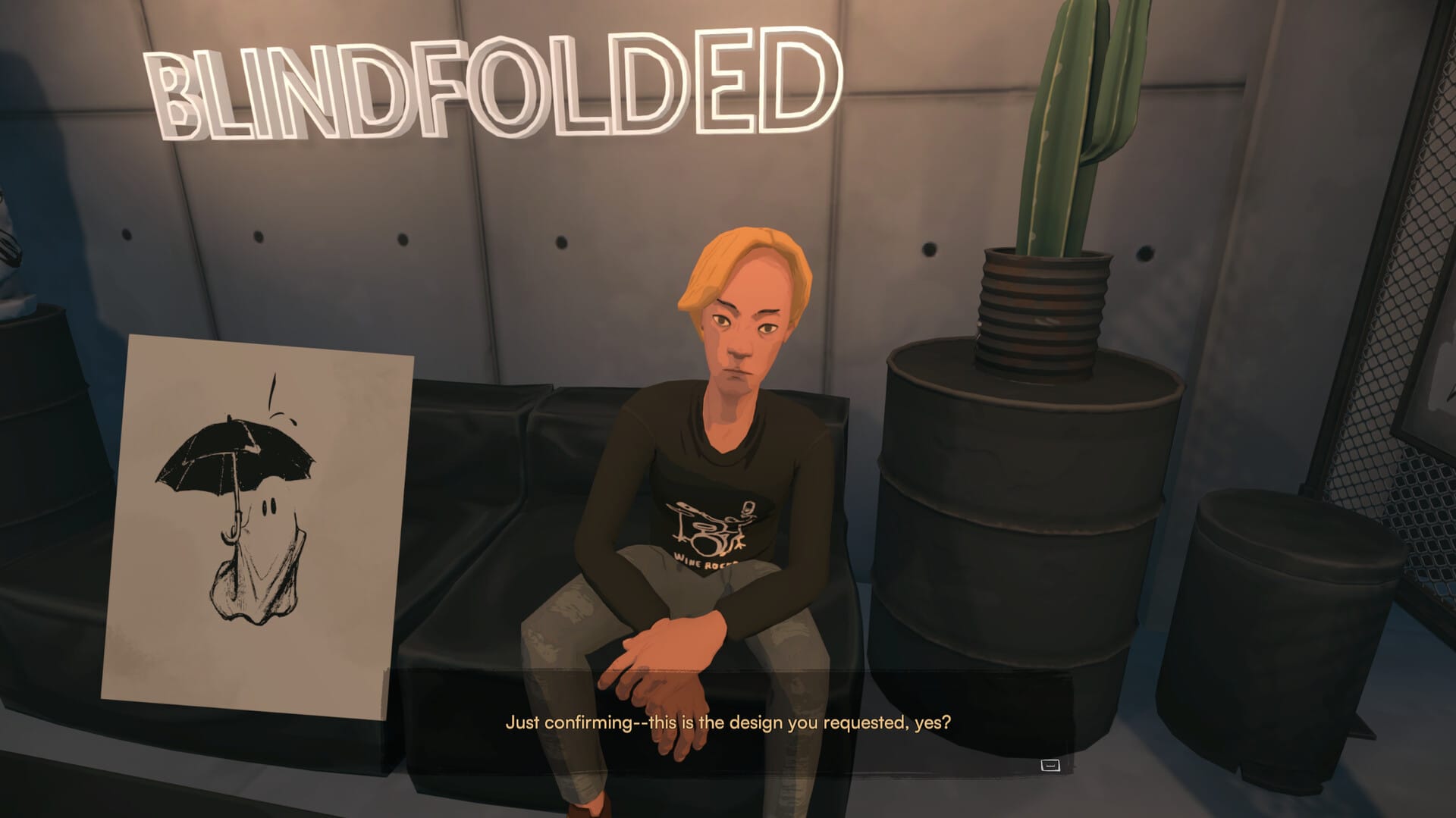
BROKENCIGS’ guiding light for the past few years has been Inkression, an ambitious narrative game inspired by their home away from home and its art scene. Inkression is, interestingly, a story about a home being ripped away from you, a place you love disappearing because of a policy change. Forces beyond your control. It’s a lot like the situation BROKENCIGS is facing.
“I’m talking to my friends who've played our demo already and they were like ‘Huh, did you guys write this story because of this situation?’” laughed Fan. “Sometimes it feels like it's like a big foreshadowing in a movie.”
What prompted our conversation was a plea for help in an email pitch. It’s easy to scroll past the dozens of games vying for your inbox attention, but the humanity behind this one stood out.
“I am writing to you to kindly ask about the potential possibility for a press coverage as our team's current status in the country is about to expire,” reads an email I received in early January, “and we are looking at petitioning for the O-1 visa so that we could continue working on our dream games in the city that inspired all of them.”
I've read a lot of pitches in my years. But nothing like this.
“The question for us immigrants is just really about,” said Li. “Do we want to go back to where we came from? Or do we want to continue doing what we do here in where we are right now?”
Signing up is free!
By signing up—again, it costs nothing!—you can read the rest of "The Future of These Game Developers Rests on a Visa Application," and receive free newsletters and emailed articles from Remap!
Sign up now Already have an account? Sign in