
It’s understood a game needs to sell some number of copies to be successful—to make back its budget, to ensure the developer can make another one. But even in an era of unfathomably toxic player concurrent obsessions, it’s notable for the success of a game to feel as high stakes as Mina the Hollower, the latest from Shovel Knight developer Yacht Club Games.
The Zelda and Castlevania-inspired game finally arrives this week, and doesn’t just come with the expectations of following up a hit, but is considered “make or break” for Yacht Club’s future, thanks to lofty but mismanaged ambitions in the wake of Shovel Knight’s own good fortunes.
Rarely does deciding whether or not to hit “buy” on a game feel so weighty and irresponsibly guilt-ridden. Developers and publishers have always known more of the score than consumers. These days, we all know too much. Do you want to be responsible for influencing a layoff? One person, or groups of people, should not feel the burden of industry dynamics—and yet all do.
Yacht Club studio co-founder and director Sean Velasco and programmer David D’Angelo shared a sense of anxious confidence when I spoke to them this month: at some point, each said: “it’s our best game yet.” That may not be enough. The competitive landscape for nostalgia plays, even potentially great ones, is much different in 2026 than it was in 2014, when Shovel Knight was first released on the Wii U (!) and 3DS (!!).
“I'm confident that the game is good,” said Velasco. “That's my line. I am confident that the game is really good.”
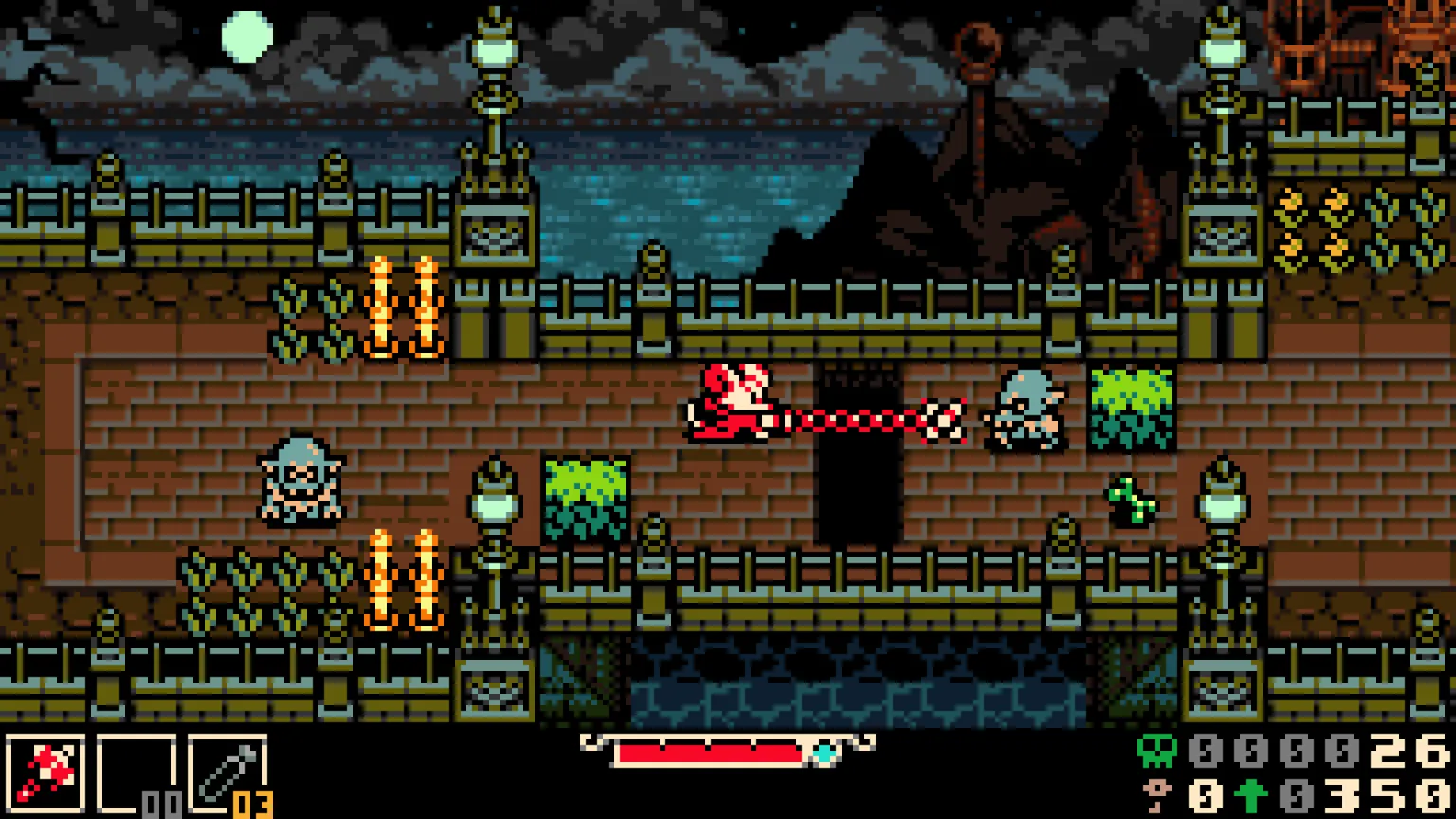
That much I can confirm. Mina the Hollower has been a personal obsession the past few weeks, and responsible for slowly increasing my electricity bill, as I’m forced to charge my Steam Deck yet again. My handheld is filled with dozens of screenshots documenting potential secrets. I’m taking endless notes. It’s a slam dunk contender for my personal game of the year in a period already filled with exceptional games. Big, ambitious, weird, and difficult, Mina the Hollower is like last year’s Silksong, built transparently on its inspirations but something altogether its own.
art19:8be3f2fa-1e97-4d69-a58b-e3ad50125f6d
15 hours and several dungeons in, it’s basically all I’m thinking about. Reviews from other critics feel the same, too: “What comes out is a game Nintendo would be too scared to make.” (IGN) “Its thoughtful design and larger sensibilities make it play and feel like a contemporary video game – one that has taken the right lessons from the medium's history.” (Game Informer)
Interestingly, Mina the Hollower became Yacht Club’s second major release by accident and error.
It started as a “cooldown side project” by Yacht Club designer Alec Faulkner, and many of the basics that would define Mina the Hollower, like burrowing, were present. Faulkner pitched Mina the Hollower as Yacht Club’s secondary game around the time Shovel Knight was winding down, only for it to be caught up in years of self-made messes, such as Yacht Club trying to make an altogether different (and later shelved) topdown 2D game, a 3D Shovel Knight, helping publish other people’s games, and working with external studios on Shovel Knight spin-offs.
Amidst all that, Faulker started out as the game’s director and was later replaced by Velasco. Suddenly, the lengthy wait makes sense.
In fairness to Yacht Club, many of Shovel Knight’s expansions were the size of full-length games. Over time, as other projects moved to the side and the tiny-but-mighty Mina the Hollower became Yacht Club's focus, the more major differences in scope became apparent.
“Shovel Knight's levels had, what, 30 screens in them?” said D’Angelo. “And [in] this game, we said, ‘Oh, we're going to make a Shovel Knight-sized game. We're going to have six levels, and each of those will be split, but they'll be split into two 30-sized chunks. They'll be bigger levels, which matches [up]—Shovel Knight had 13 or 14 levels. We’ll have basically the same number of screens, which will make it the same length of a game.”
That assumption, of course, was entirely wrong.
“When you go in there, it's like, ‘Oh, we have to, it's like not just the bottom of the screen that we're filling with content,” said D’Angelo. “It’s literally the whole screen we're filling with content.”
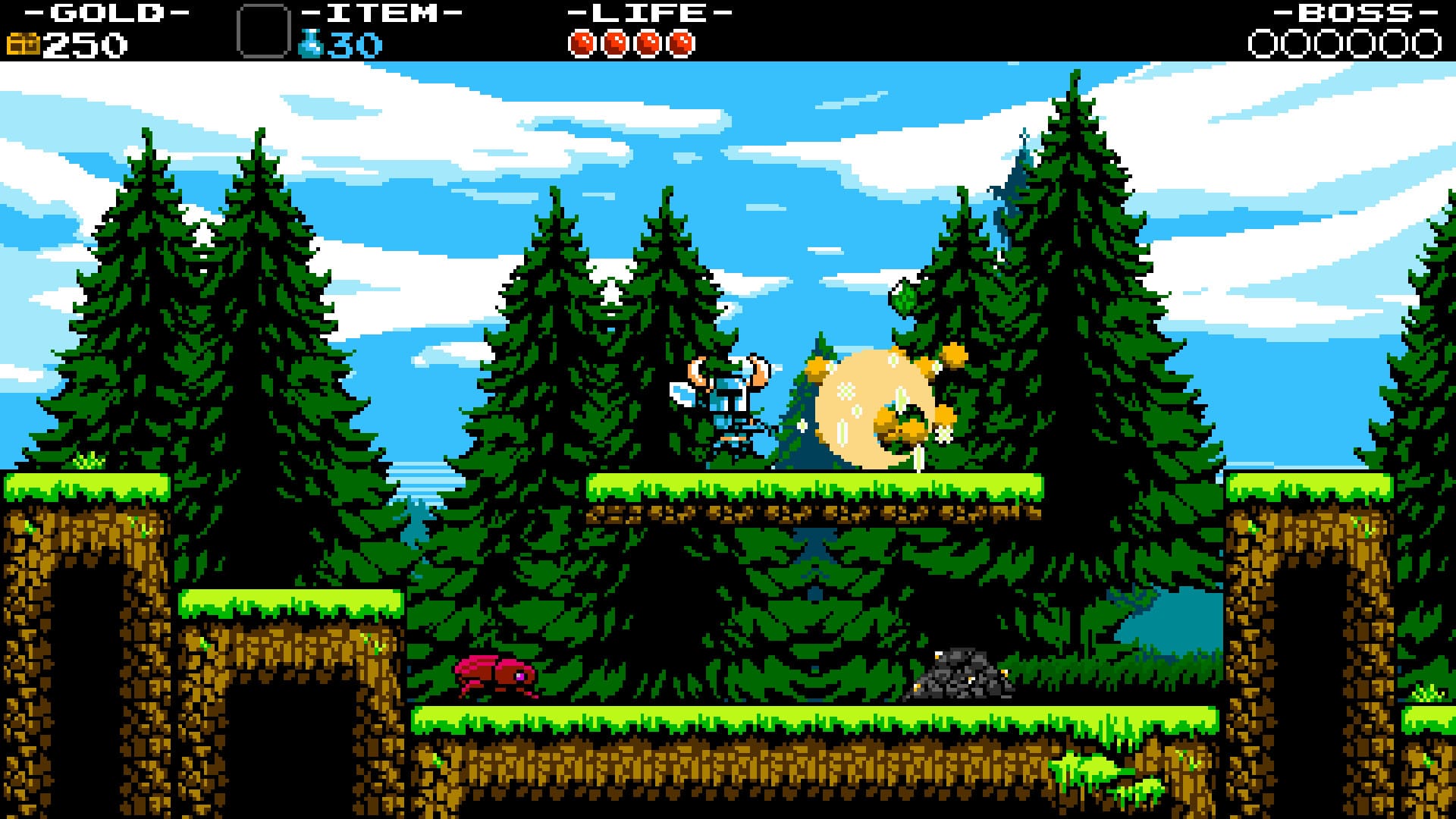
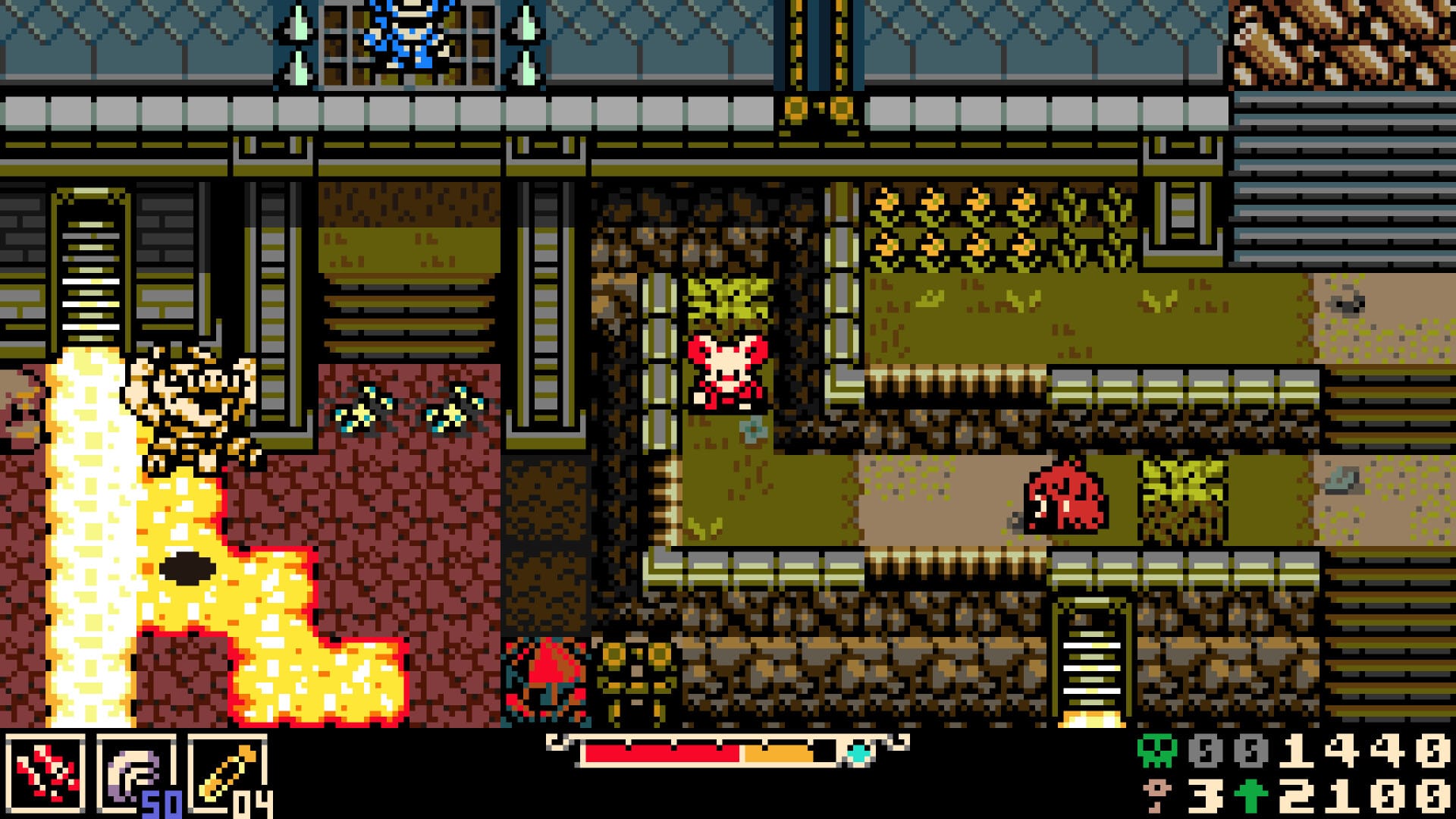
Shovel Knight works left to right. Mina the Hollower works...well, in more directions.
“When I started doing designs for this game,” said Velasco, “I would just be thinking about it in terms of it being 2D or side-scrolling platforming, and not thinking about things like the directionality of the enemies. Every enemy needs [to be] up-facing, down-facing, left and right. Or maybe they don’t? Maybe they only need one frame, as far as the animation goes. But if they're coming from four directions, it's four times more complicated.”
In a platformer, you know the player is moving left to right. You might even, if you’re generous, allow players to revisit a previous screen, which means you know they’re moving right to left. In Mina the Hollower, you could be coming from any number of directions. Is the screen still fun?
Often, it wasn’t. It’s a design frustration mentioned to me earlier this year by the developers of another top down game, the bullet-heavy Minishoot’ Adventures.
“That was a big part of my understanding of how to create a space that people do want to explore,” said Minishoot’ Adventures designer Séverin Larose. “Fun fact, you have to put stuff in to find! It sounds stupid. It took me one year [of development] to understand this."
There was even more to understand with Mina the Hollower, too.
“How can we introduce more combat and platforming in a fluid way to a top down game, the same way that we did with our 2D games?” said Velasco. “How can we get more of that 2D platforming feel in a top down game? There aren't that many [examples].”
Shovel Knight, where players bop their way along almost like a rhythm game, is a platformer. The action is secondary. Mina the Hollower is an action RPG with platforming elements, but way, way more platforming than one usually finds in a game played from this perspective.
There is, it turns out, a good reason for that: it’s incredibly hard to do. There aren’t even that many historical examples to pull from, which left Yacht Club mostly on their own in terms of finding design solutions. Which isn’t to say there aren’t any games trying platforming like this, and Yacht Club played all of them in order to gather and harvest whatever information that could.
There’s 1990’s Star Tropics.
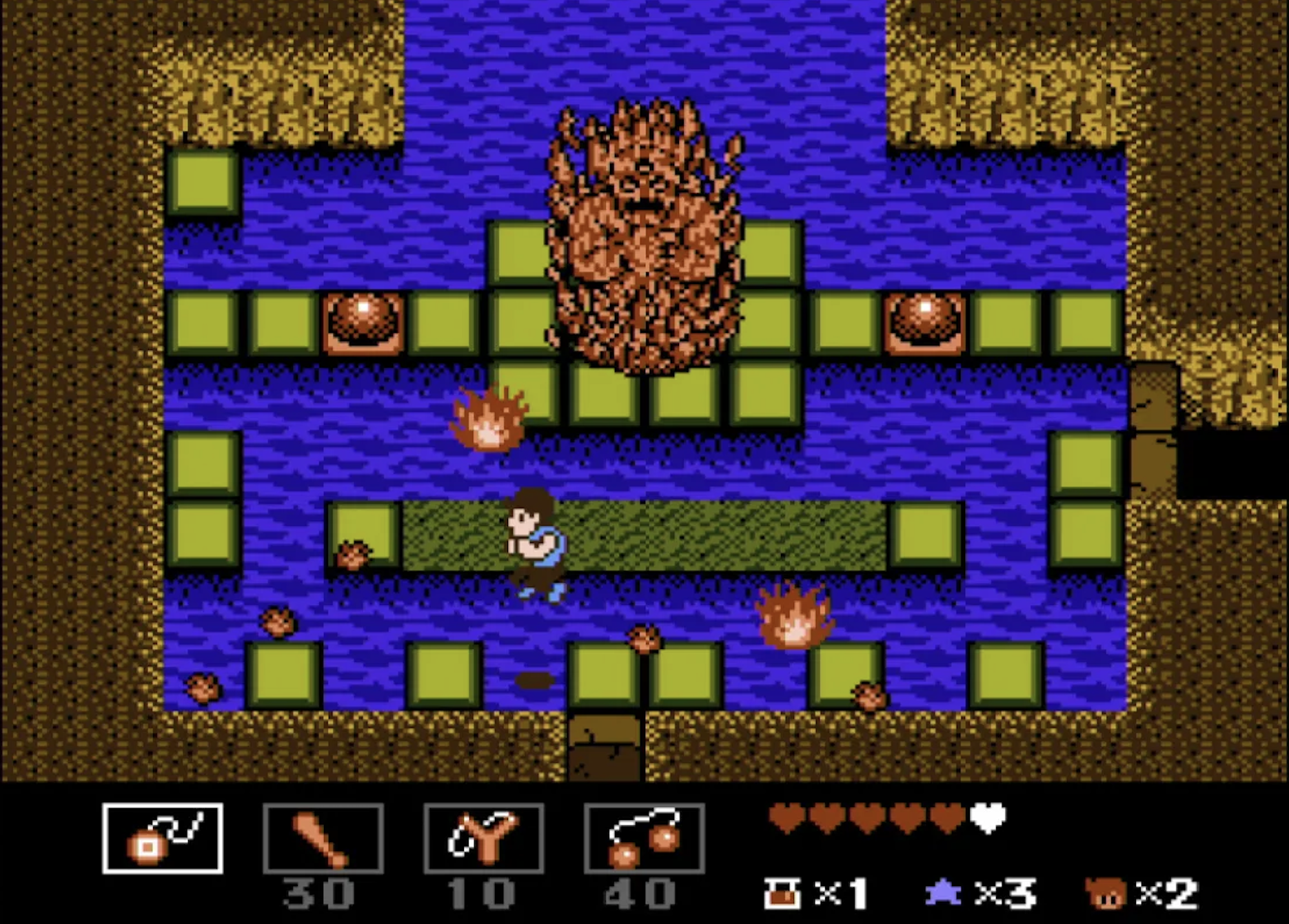
And 1993’s Goof Troop.
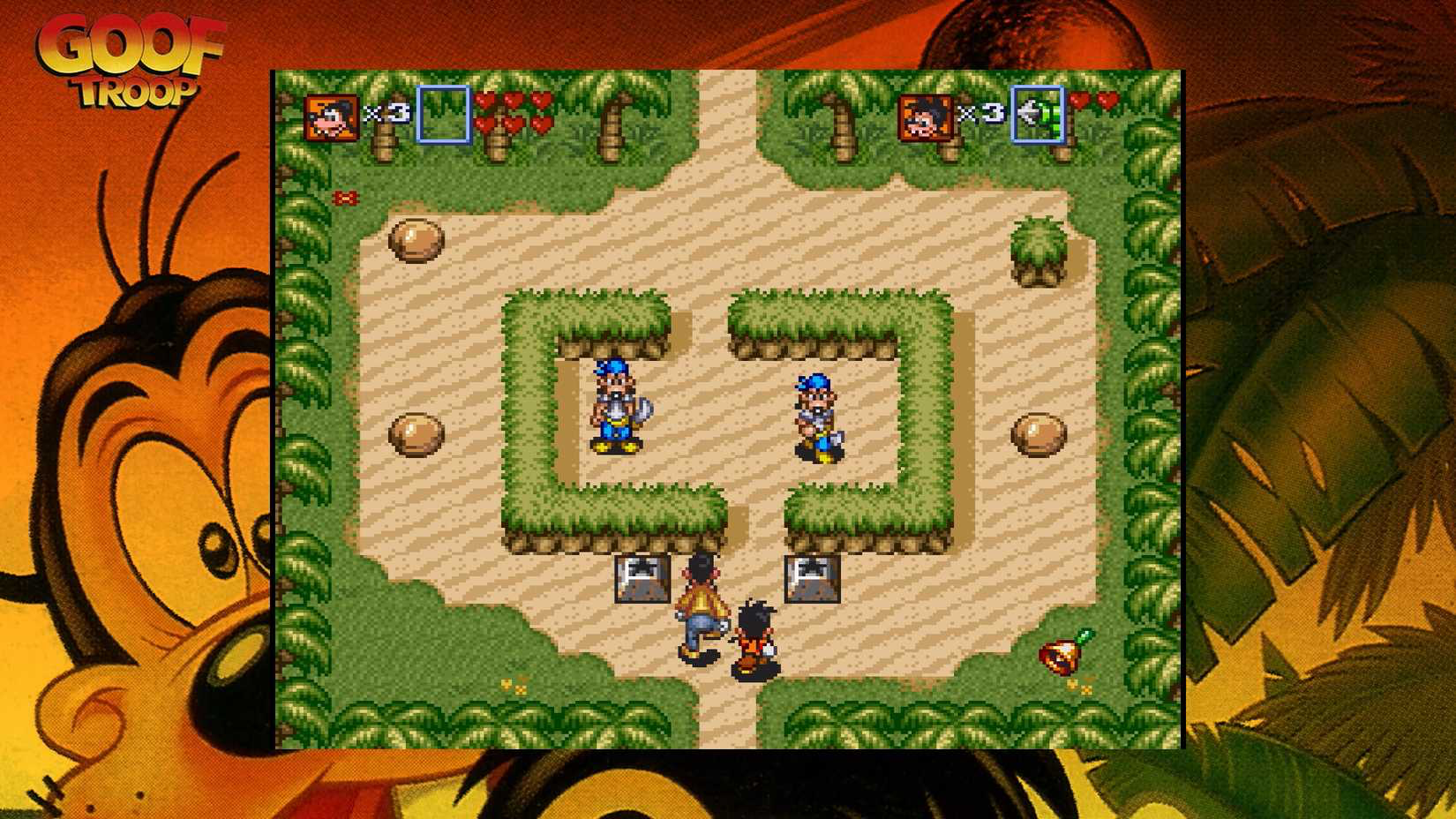
There’s also Dark Arms Beast Buster (1999). Solstice (1990). And, uh, Gremlins 2: The New Batch (1990). Yes, Gremlins 2, the licensed tie-in game with pogo jumping eerily like Shovel Knight.
“The majority of the things we're looking at were just art-wise,” said D’Angelo, “because in the top down space, it can be really hard to read depth or what's an object, versus a wall.”
“Where you are when you're jumping, how high up something is,” said Velasco.
That there were so few options for Yacht Club to dissect, according to Velasco, had less to do with technical limitations of the era than “probably because it’s a humongous pain in the ass.”
The result is, of all things, best understood by watching a video by Yacht Club on social media, wherein the studio explains how Mina starts sweating when she approaches the edge of a ledge, how she slows down while approaching that ledge, how her shadow lightly flickers over treacherous areas, etc. It’s a series of small but important details that conscious and subconsciously communicate to the player a sense of rhythm, movement, and ultimately control.
Check out these 4 things we did to help Mina navigate precarious platforms precisely in Tenebrous Isle. 😱
— Yacht Club Games (@YachtClubGames) May 11, 2026
We are taking jumping mechanics to the next level making the experience fun for players and mice!🐁
🎮What are some of your favorite top down game mechanics? pic.twitter.com/RUXi2StGO7
Another video released by Yacht Club touched a fascinating nerve, in which the studio revealed Mina the Hollower would include “hundreds of modifiers” to alter how the game plays. Mina the Hollower is a challenging game—though far harder in its opening hours than what lies beyond, in my own experience—but if you’d like, it doesn’t have to be. Some of the modifiers include:
- 2x burrow speed
- Walk on pits
- Infinite health
They also include ways to make the game much harder, including:
- Take 3x Damage
- Less plasma [aka healing]
- Fewer underlabs [aka checkpoints]
A good faith reaction to Yacht Club’s decision was wondering if Mina the Hollower’s creators were confident in their own design and balance. A bad faith reaction was of the git gud variety.
Yacht Club, however, was mostly confused.
“If we wanted to put an easy mode in the game, we would have put an easy mode in the game, because that would be easy for us to do. Putting in 300 modifiers is a lot!
“We spent six years really making the exact game that we made,” said Velasco. “That's the game that we made for you, and that's what you should play. On the other hand, I have a six-year-old nephew that can't play Mina the Hollower because it's straight up too hard. The way that he enjoys Mina the Hollower is with the modifiers on, like the one where when he falls in a pit—he just walks over it. He loves playing it.”
Plus, in the interest of arbitrary gatekeeping, achievements don’t unlock if you’re using modifiers.
“If we wanted to put an easy mode in the game,” said D’Angelo, “we would have put an easy mode in the game, because that would be easy for us to do. Putting in 300 modifiers is a lot! […] I think it makes a lot of sense that you can modify it because it’s an RPG. If you wanted to at the very beginning of the game, you could farm money and level up and you could destroy everything. We're not stopping you from doing that.”
(The game does have a form of “easy mode” with “Assist Mode,” which curates a handful of modifiers that impact elements like pit damage, adding boss checkpoints, quicker heals, etc.)
The origin story for the modifiers makes some of the unhinged responses even funnier. Yacht Club had promised 300ish Kickstarter backers for the original Shovel Knight a hidden secret. They settled on different cheats, like jumping super high or becoming invulnerable, that were triggered by putting in different names for your file name. Clever! A tip of the hat to the most zealous backers of Shovel Knight and a plethora of goofy bonuses for everyone else playing.
With Mina the Hollower, the plan was to make the cheats, aka modifiers, easier to access.
It’s worth noting, too, that Mina the Hollower does not even gesture towards the modifiers while you’re playing. The only reason you know they exist is by poking around the game’s menus.
To illustrate his point, Velasco pointed towards his time with a very different game. In The Last of Us: Part II, he realized there was an accessibility option called “Auto Pick-Up,” which meant you no longer have to dig through every drawer in the game; all of the game’s items are vacuumed up. No more scavenging.
That option, Velasco said, made his time with the game much more enjoyable. It also, arguably, detracts from the survival elements.
The core of Mina the Hollower is terrific. But what helps make it really sing—transcendently, at times—are countless small and thoughtful details, much like the modifiers, scattered throughout.
Each quietly stacks upon the other, building towards a topdown tower that is one of 2026's best games, Mina the Hollower.
Here's hoping it's not another 12-year wait.